
 ABOUT MUSHROOMS
Essential Nutrition to Protect Yourself from Coronavirus
ABOUT CHAGA
HISTORICAL & MEDICAL USE
BENEFITS
DOSING
SIDE EFFECTS & SAFETY
ABOUT CHAGA

Chaga
The Mushroom that’s not a Mushroom
Species name: Inonotus Obliquus
Main Health Benefit: Boosts digestion and clears skin
Chaga is rich in antioxidants, and supports immune function, liver health, brain health and increases longevity.
Chaga mushroom (Inonotus obliquus) is a type of fungus that grows mainly on the bark of birch trees in cold climates, such as Northern Europe, Siberia, Russia, Korea, Northern Canada and Alaska.
Chaga is also known by other names, such as black mass, clinker polypore, birch canker polypore, cinder conk and the sterile conk trunk rot (of birch).
Chaga produces a woody growth, or conk, which looks similar to a clump of burnt charcoal — roughly 10–15 inches (25–38 centimeters) in size. However, the inside reveals a soft core with an orange color.
For centuries, chaga has been used as a traditional medicine in Russia and other Northern European countries, mainly to boost immunity and overall health.
It has also been used to treat diabetes, certain cancers and heart disease.
Traditionally, chaga was grated into a fine powder and brewed as an herbal tea.
Nowadays, it’s not only available as a tea but also as a powdered or capsuled supplement. The tea may feature chaga alone or in combination with other mushrooms, such as cordyceps.
Taking chaga with either warm or cold water is believed to release its medicinal properties.
Keep in mind that reliable information on chaga’s nutritional content is extremely limited.
That said, they’re low in calories, very high in fiber and loaded with antioxidants
Other names
Clinker polypore (from its resemblance to the slag left after a coal fire, known commonly as "clinker" when coal fires were common), cinder conk, black mass and birch canker polypore
Location
Northern Europe, Siberia, Russia, Korea, Northern Canada and Alaska.
Dosing
The appropriate dose of chaga depends on several factors such is the user's age, health, and several other conditions. At this time there is not enough scientific information to determine an appropriate range of doses for chaga. Keep in mind that natural products are not always necessarily safe and dosages can be important.
HISTORICAL & MEDICAL USE
Medical use
Chaga or Inonotus obliquus, which is commonly referred to as a mushroom is actually a highly prized sclerotium or woody canker that grows in the colder regions of the Northern Hemisphere on birch trees. First medicinal uses seem to have come out of Russia around the 16th century when used as a tea to treat stomach ailments*. After 1966, Chaga gained more exposure after its healing powers were written about in Alexander Solzhenitsyn’s book, Cancer Ward. As Chaga grows primarily on birch trees and much of the sclerotium itself is actually wood fiber and not mycelium, many medicinal compounds from birch like betulin and betulinic acid end up in the sclerotium. The outer black layer on the canker contains high amounts of melanin which can be beneficial for our skin*.
Until recently Chaga could not be cultivated but now in Finland they are inoculating birch trees with this fungus. Lab cultivated Chaga does not develop in to sclerotium and as it does not grow on birch but on grain, it does not contain the important medicinal compounds that come from birch.
Subscribe to our mailing list
BENEFITS
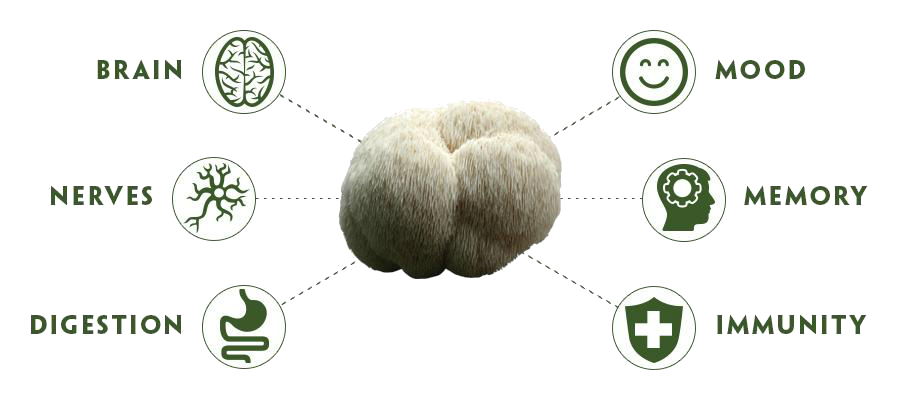
Benefits of Chaga
Heart disease.
Diabetes.
Gastritis.
Stomach and intestinal cancer.
Liver disease.
Tuberculosis.
Other conditions.
More evidence is needed to rate the effectiveness of chaga for these uses.
DOSING
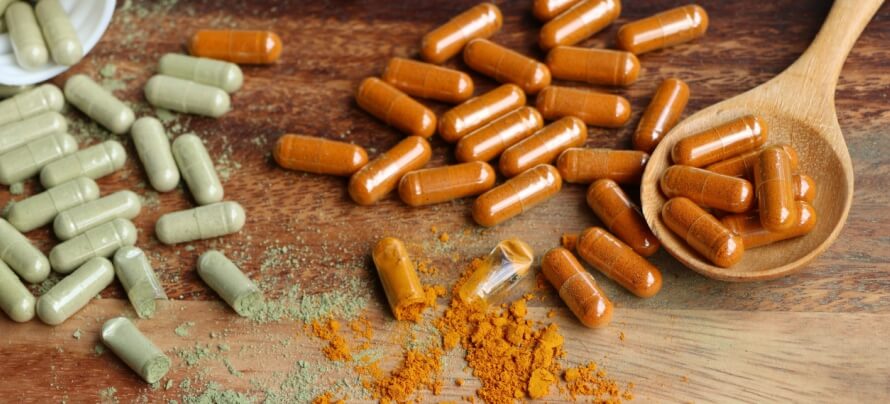
Dosing
The appropriate dose of chaga depends on several factors such is the user's age, health, and several other conditions. At this time there is not enough scientific information to determine an appropriate range of doses for chaga. Keep in mind that natural products are not always necessarily safe and dosages can be important. Be sure to follow relevant directions on product labels and consult your pharmacist or physician or other healthcare professional before using.
SIDE EFFECTS & SAFETY
Chaga is generally well-tolerated. However, no human studies have been conducted to determine its safety or appropriate dosage.
In fact, chaga can interact with some common medications, causing potentially harmful effects.
For example, chaga could pose risks for people on insulin or those with diabetes due to its impact on blood sugar.
Chaga also contains a protein that can prevent blood clotting. Therefore, if you are on blood-thinning medications, have a bleeding disorder or are preparing for surgery, consult with your doctor before taking chaga (22Trusted Source).
Though some research shows that chaga may help reduce inflammation, it may also cause your immune system to become more active. Thus, people with autoimmune diseases should seek medical advice before taking chaga.
There is no research on the safety of chaga for women who are pregnant or breastfeeding. Therefore, the safest option is to avoid use.